Skip to content
Rectifier BOM Cost Reduction When the Customer Specifies a Brand
Last Updated: 2026-10-08
Quick Answer
Rectifier BOM cost reduction must respect the customer’s approved manufacturer requirements. Establish whether an alternate is permitted, define the technical and commercial case, and obtain a documented change decision before production use. Compare total implementation cost and realistic volume rather than presenting a lower component quotation as guaranteed savings.
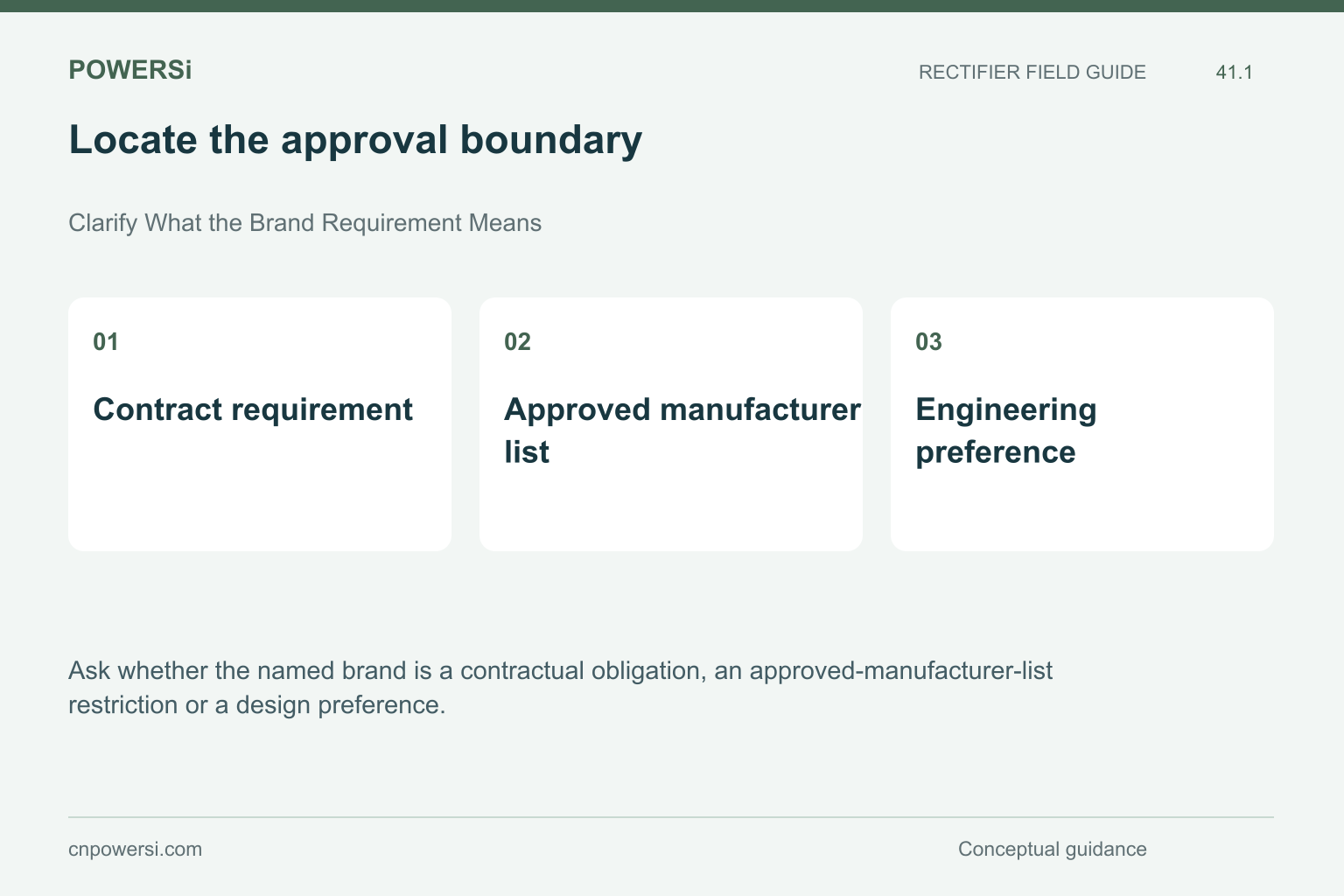
Locate the approval boundary.
Clarify What the Brand Requirement Means
Ask whether the named brand is a contractual obligation, an approved-manufacturer-list restriction or a design preference. These conditions create different change paths. Purchasing cannot assume that an engineering comparison overrides a customer contract.
Identify the person or function authorized to accept an alternate. Record whether approval applies to a product model, a customer project or a specific production period. When an alternate is not permitted, stop the substitution proposal for that scope rather than hide another manufacturer’s device under the original BOM description.
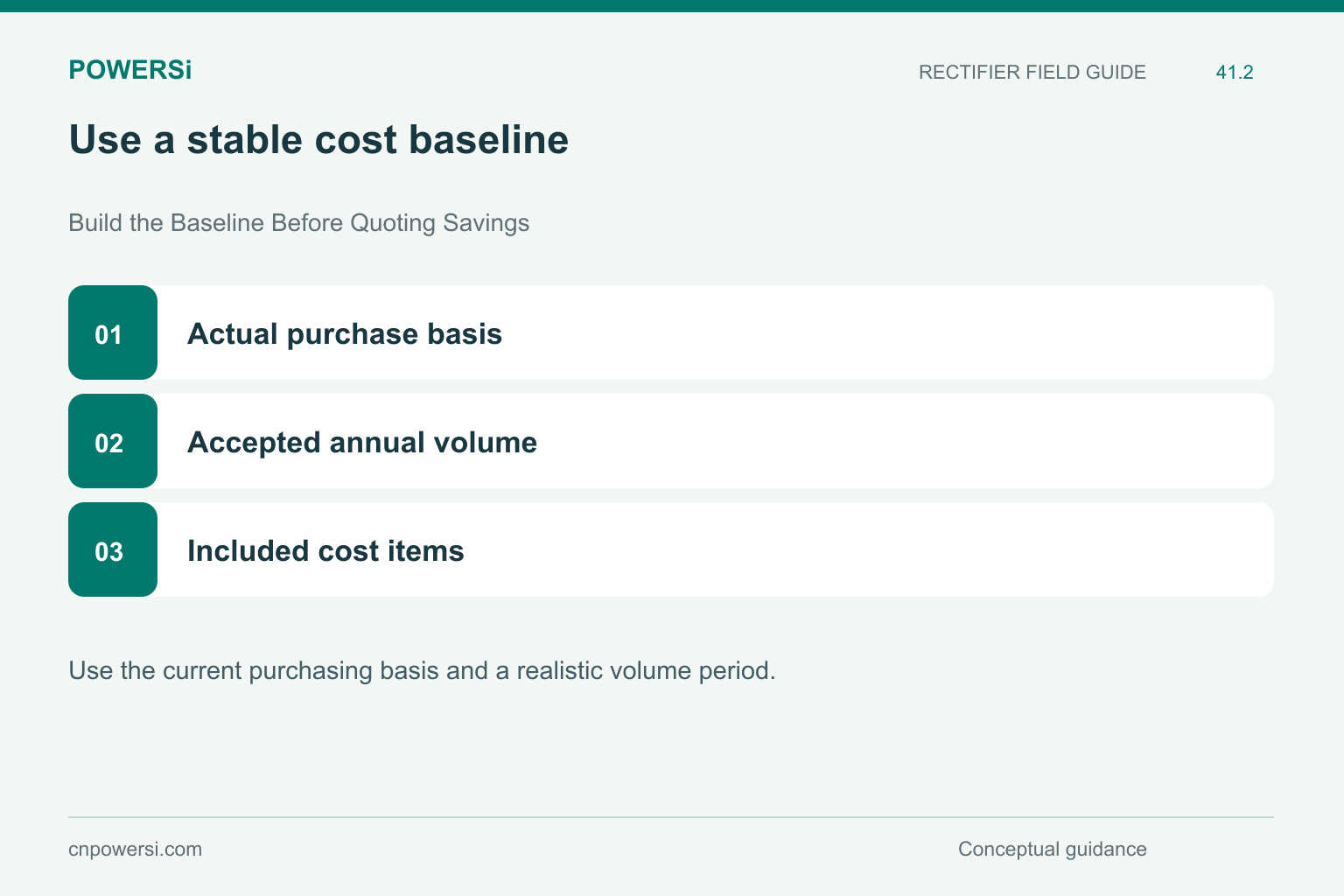
Use a stable cost baseline.
Build the Baseline Before Quoting Savings
Use the current purchasing basis and a realistic volume period. Identify currency, packing quantity, freight treatment, payment terms and any inventory already committed. Separate a temporary spot purchase from the normal supply cost.
Then request a candidate quotation on a comparable basis. A price reduction is meaningful only when both offers refer to the specified quantity and usable product. Exclude savings on volumes that will not ship within the period being evaluated.
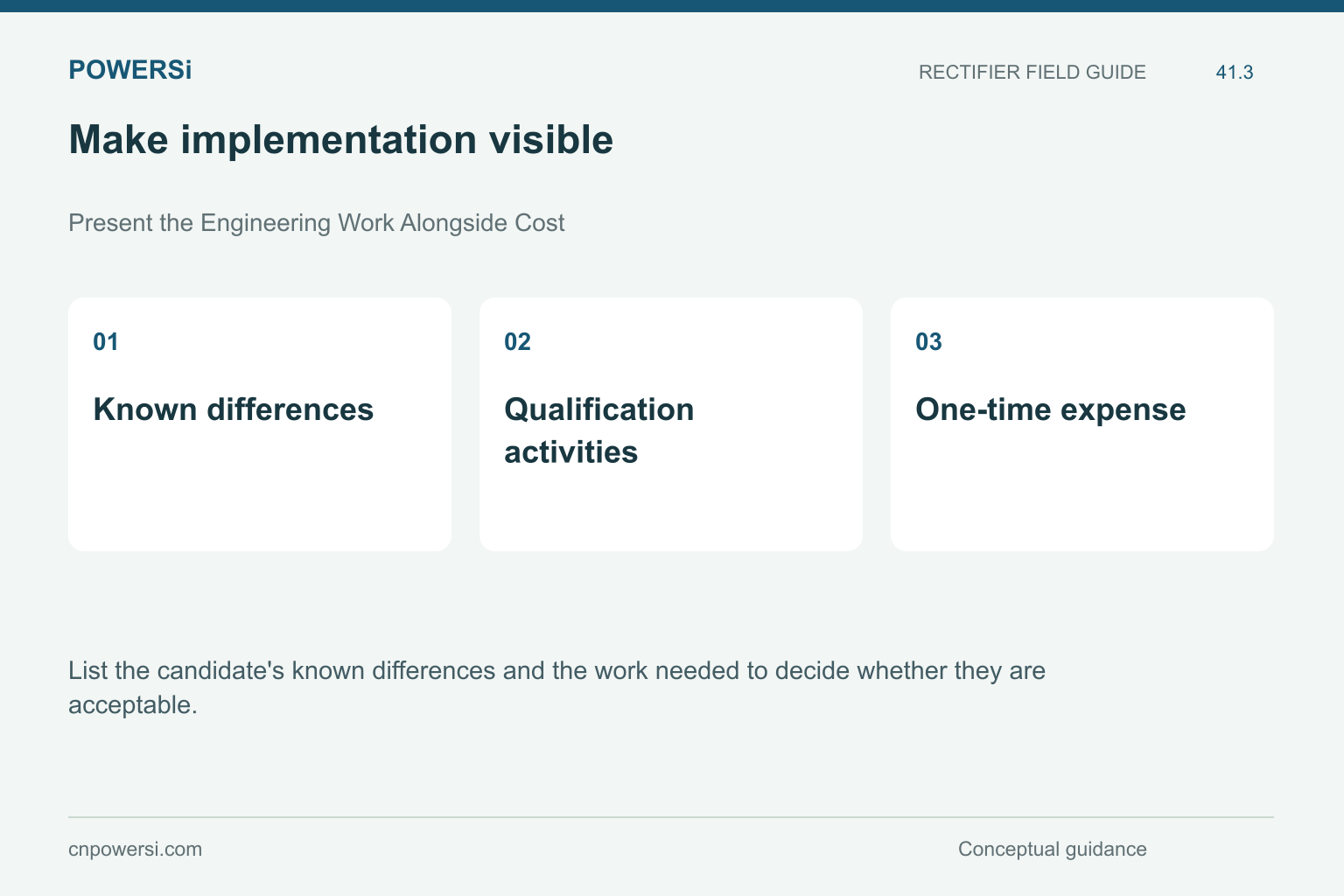
Make implementation visible.
Present the Engineering Work Alongside Cost
List the candidate’s known differences and the work needed to decide whether they are acceptable. Include samples, engineering evaluation, pilot builds, document changes and any fixture or tooling adjustment. Agree which organization pays for each activity.
Do not label the substitution cost-neutral because the PCB footprint appears unchanged. Thermal or switching evaluations can still consume substantial effort. Present the technical work plan alongside the commercial comparison so the customer can judge both feasibility and timing.
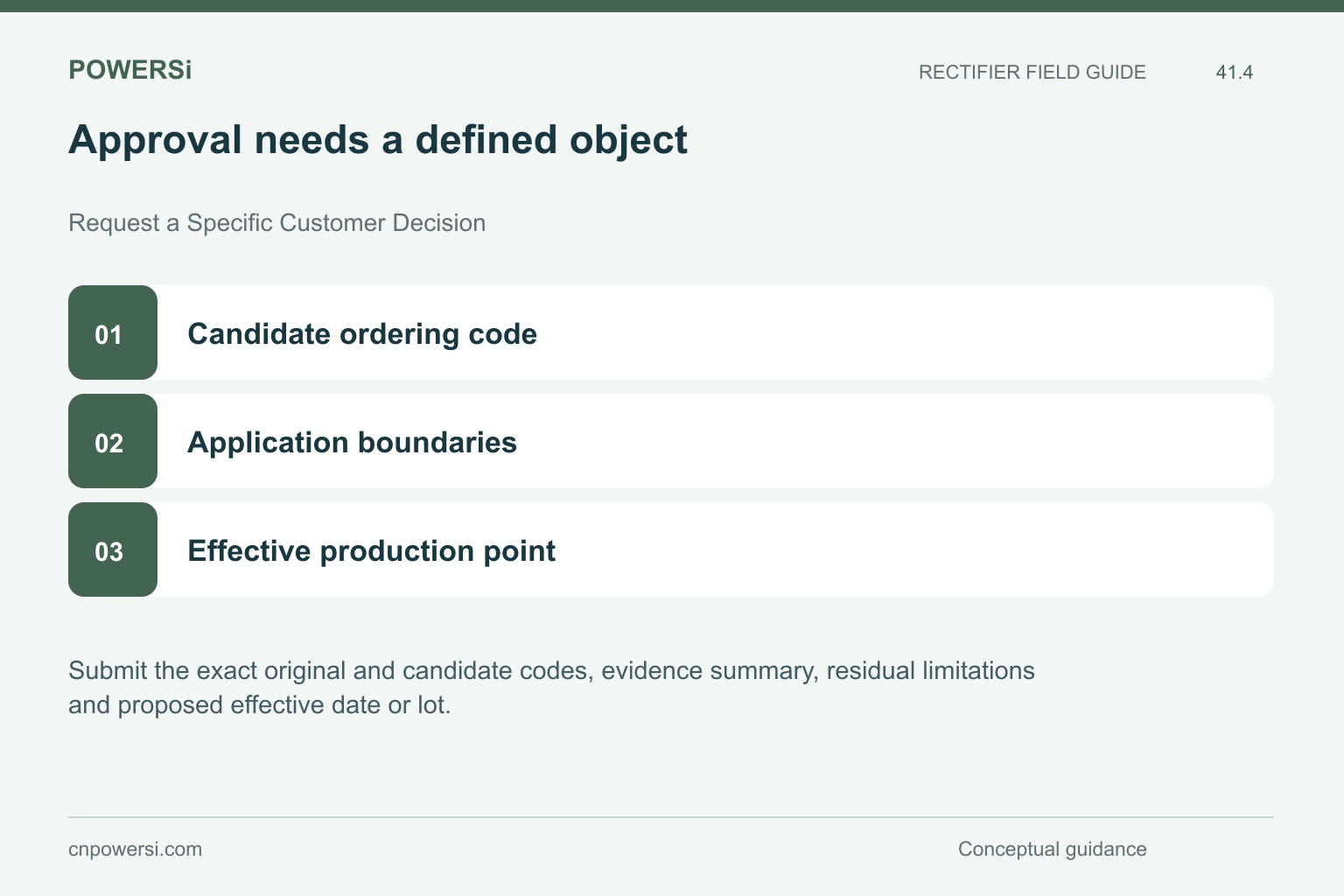
Approval needs a defined object.
Request a Specific Customer Decision
Submit the exact original and candidate codes, evidence summary, residual limitations and proposed effective date or lot. Ask for a decision that identifies the approved assembly and conditions, rather than a general statement that domestic parts are acceptable.
If temporary approval is granted, record its expiry, quantity limit and any follow-up evidence. Keep original and alternate inventory distinguishable. A conditional release should not become permanent simply because production continued without a reported problem.
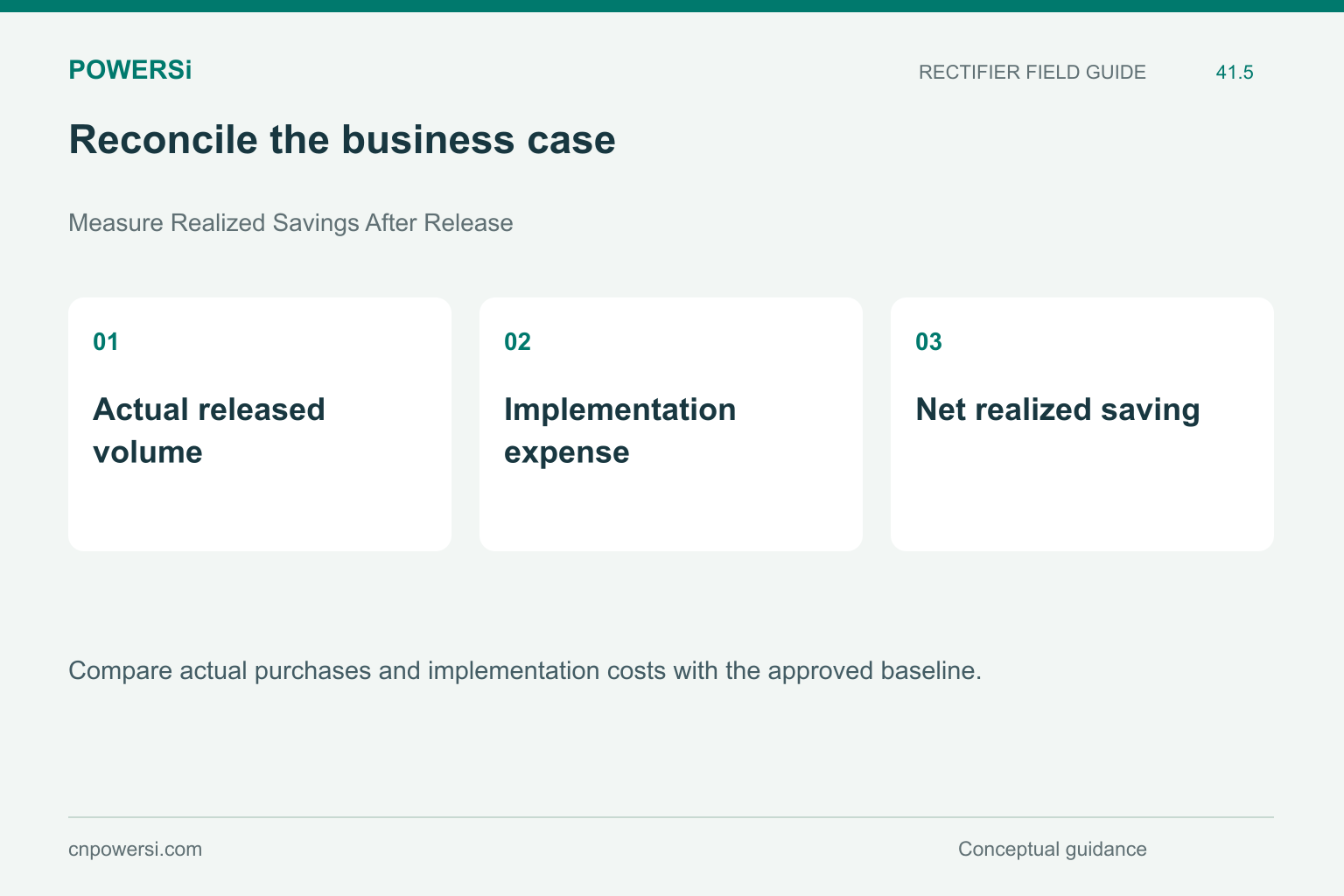
Reconcile the business case.
Measure Realized Savings After Release
Compare actual purchases and implementation costs with the approved baseline. Track changes in scrap, support burden or freight where they can be attributed and measured. Avoid charging unrelated factory improvements to the substitution project.
Use the result to refine future proposals. A small initial saving may grow after recurring orders, while a large quoted discount can disappear at low volume. The customer should see a transparent result rather than a headline assembled before qualification began.
Key Takeaways
- Locate the approval boundary.
- Make implementation visible.
- Reconcile the business case.
Conclusion
Make the proposal easy to approve by defining both the change and its economics. Contact POWERSi with the customer-approved evaluation scope.
FAQs
Can a distributor silently change the brand?
No. Follow the customer authorization and released purchasing requirements.
What if the brand is only an engineering preference?
Confirm who owns the change decision and what evidence that person requires.
Is quoted unit-price reduction the same as net saving?
No. Qualification, inventory and recurring supply costs also matter.
Can temporary approval be reused indefinitely?
No. Respect its scope, quantity and expiry conditions.
When should savings be reported as realized?
After reconciling actual released purchases and attributable implementation costs.