Skip to content
Distributing Chinese Diode Brands: Three Commercial Traps to Avoid
Last Updated: 2026-10-08
Quick Answer
Distributing a Chinese diode brand requires more than adding a low-priced line card. Three common traps are unclear channel rights, inventory built on unqualified forecasts and promises that exceed technical support capability. Define responsibilities with the manufacturer and customer, then connect stock and sales commitments to approved products and credible demand.
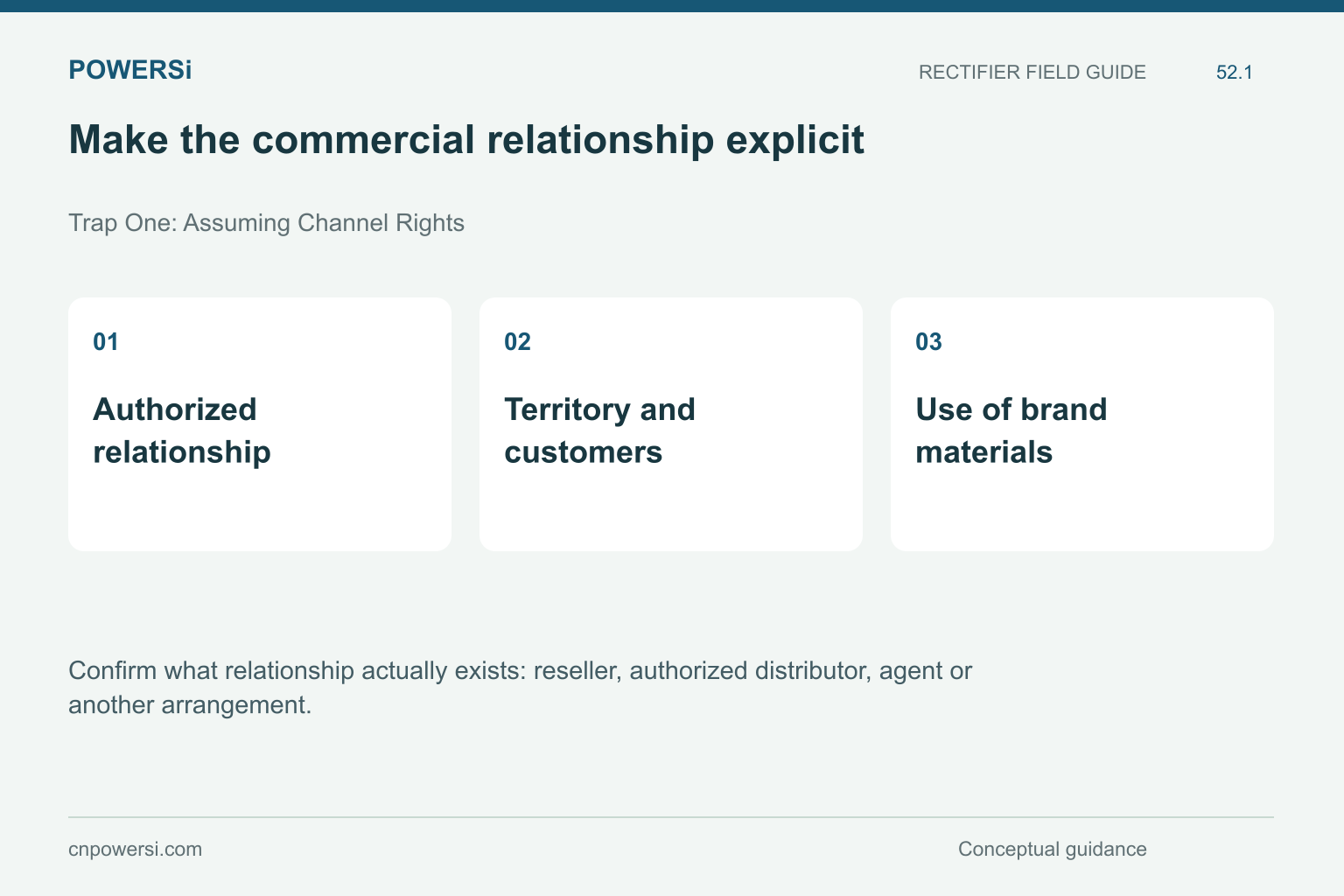
Make the commercial relationship explicit.
Trap One: Assuming Channel Rights
Confirm what relationship actually exists: reseller, authorized distributor, agent or another arrangement. Do not describe an ordinary purchase relationship as authorization. Agree how territory, account registration, pricing support and brand materials are handled.
Keep customer-facing claims consistent with the agreement and the manufacturer’s current confirmation. A distributor should not imply exclusive rights or factory ownership that it does not have. Clear channel identity also helps customers understand who is responsible for quotations, technical answers and complaints.
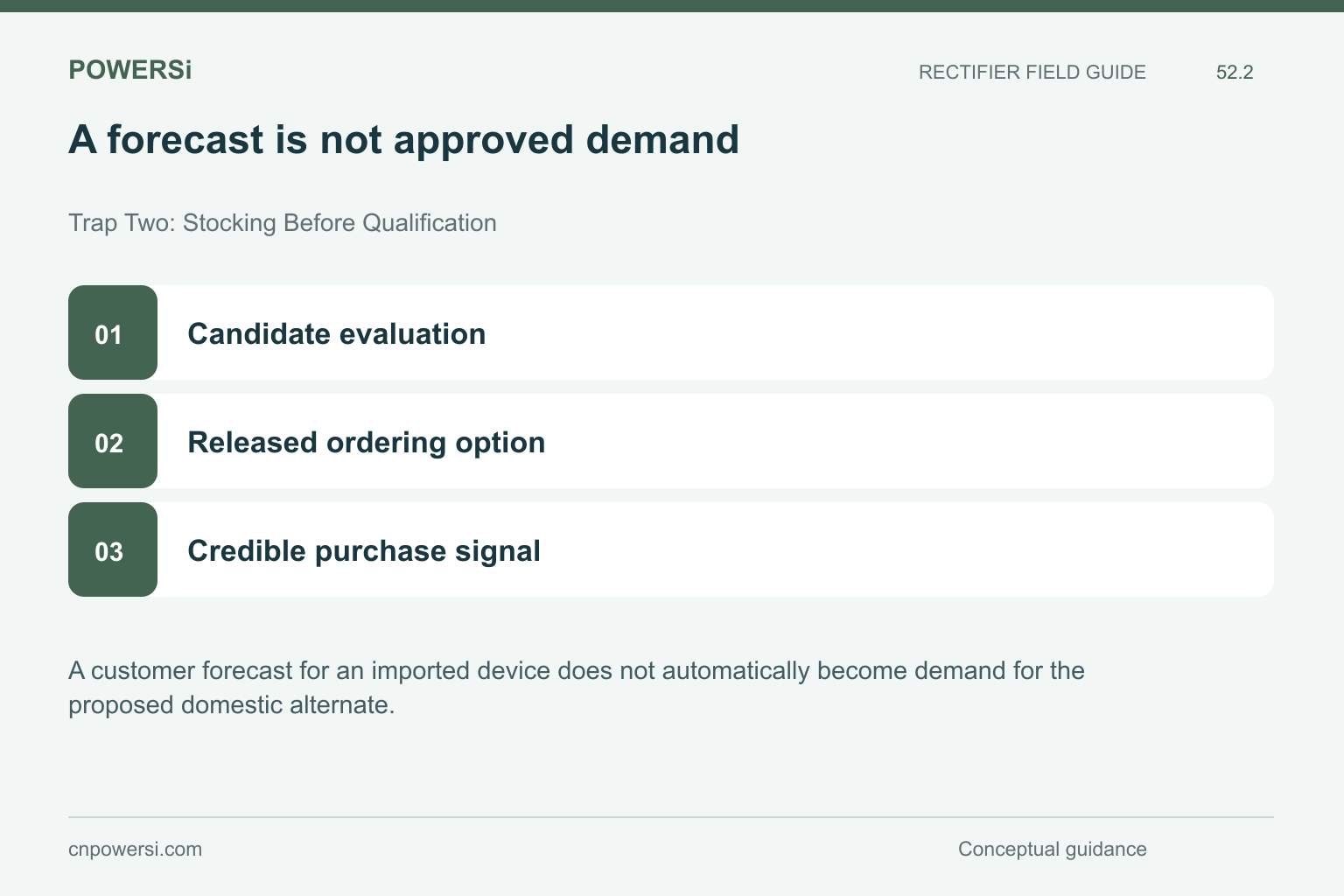
A forecast is not approved demand.
Trap Two: Stocking Before Qualification
A customer forecast for an imported device does not automatically become demand for the proposed domestic alternate. Confirm the technical approval path and exact ordering option before building speculative inventory.
Separate evaluation stock from production buffer and customer-committed orders. Consider package variants, packing quantities and potential engineering changes. A large discount on an unapproved suffix can create unusable stock rather than margin. Inventory decisions need both a demand basis and a clear route for handling changes.
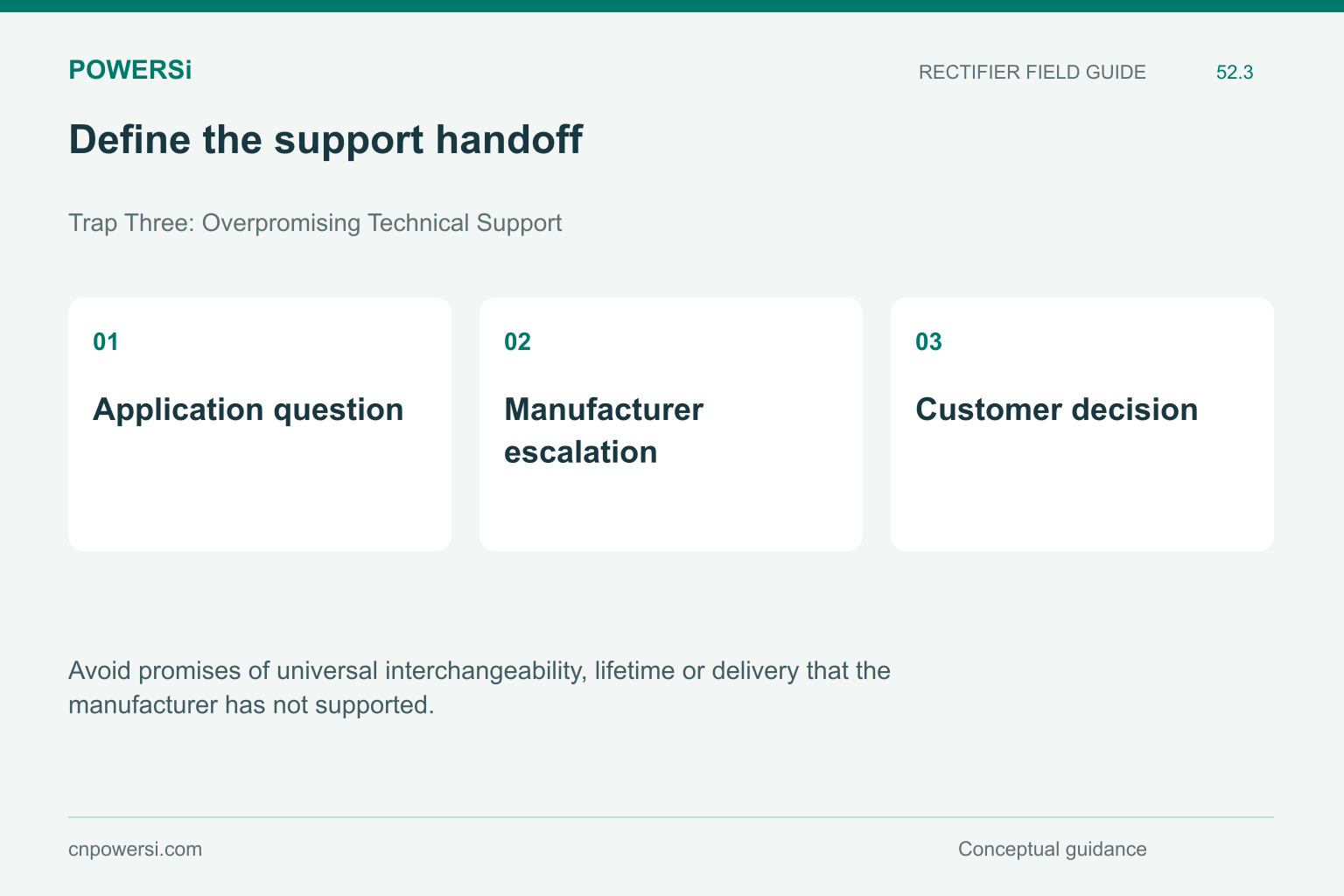
Define the support handoff.
Trap Three: Overpromising Technical Support
Avoid promises of universal interchangeability, lifetime or delivery that the manufacturer has not supported. Establish which technical questions the distributor can answer and which require manufacturer involvement. Preserve the customer’s application conditions when escalating a request.
Agree how samples, test feedback and returned parts will move between organizations. A fast sales response is useful, but it should not become an unsupported technical approval. Record the source and scope of important answers so different customers do not receive conflicting claims.
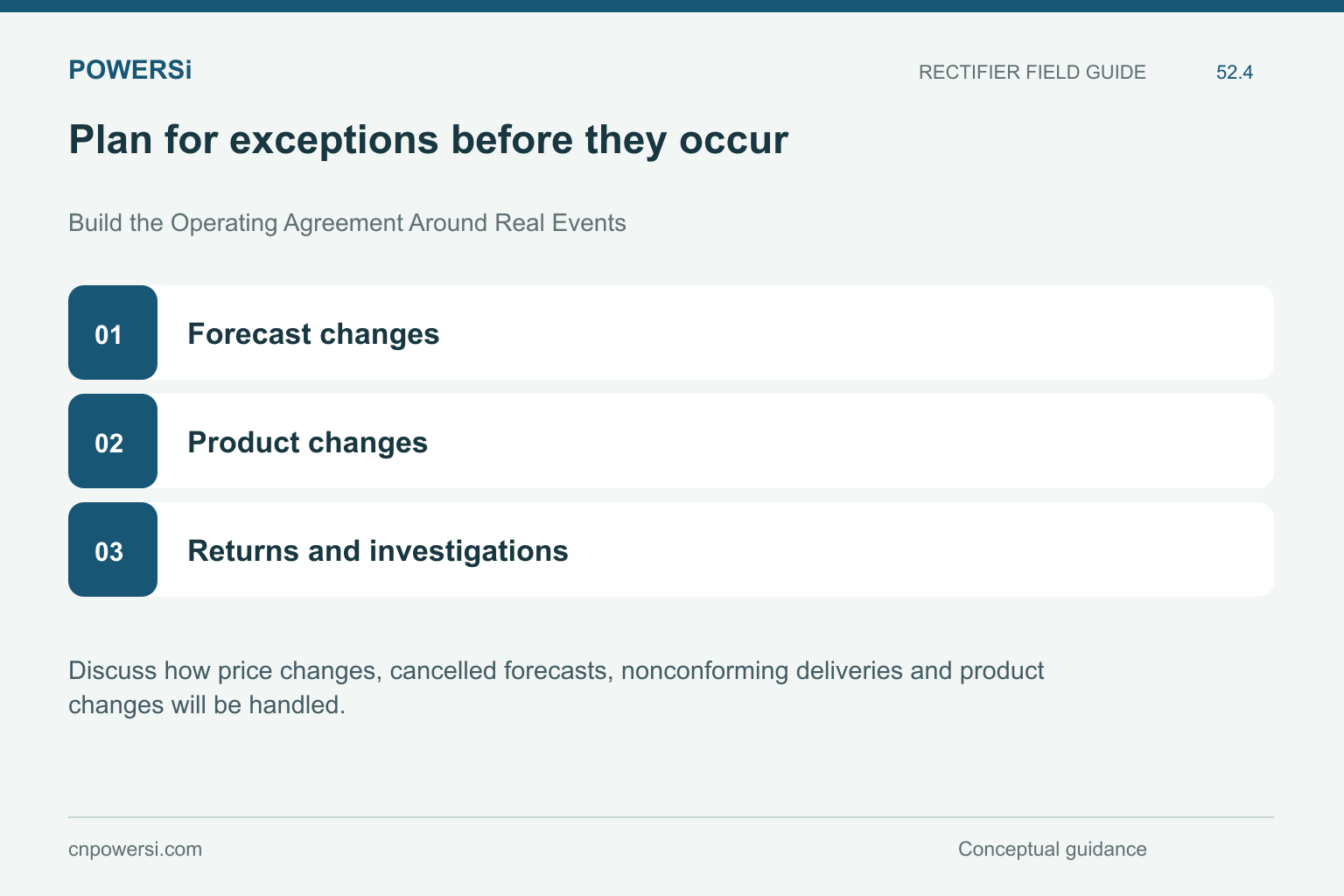
Plan for exceptions before they occur.
Build the Operating Agreement Around Real Events
Discuss how price changes, cancelled forecasts, nonconforming deliveries and product changes will be handled. Distinguish a commercial return arrangement from a technical failure investigation. The latter needs traceable evidence and an accountable decision process.
Define operational contacts and escalation routes in practical terms. Do not rely on a single salesperson’s informal assurances for every event. The agreement should help both parties deliver consistent service when the original contact is unavailable or a customer issue crosses functions.
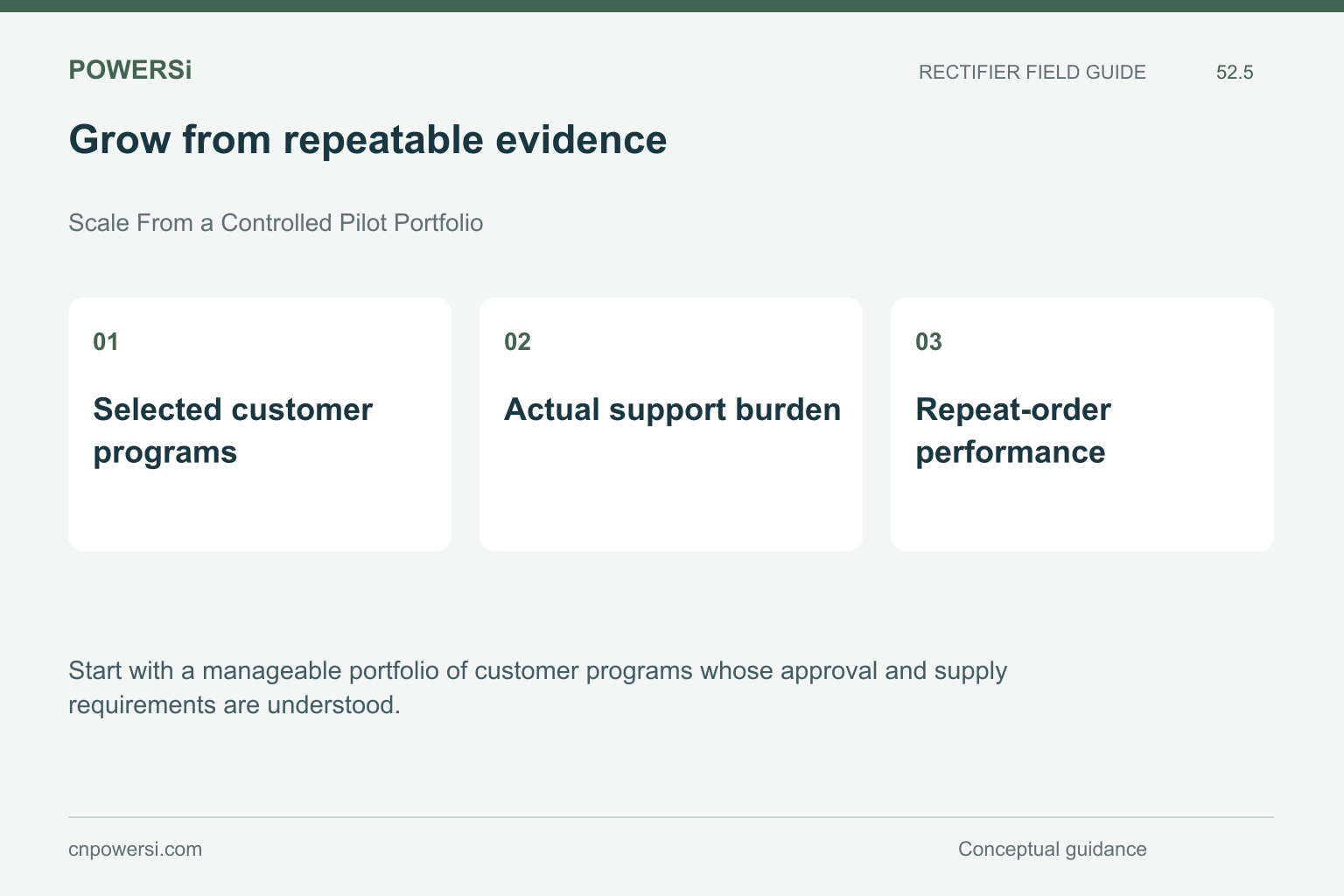
Grow from repeatable evidence.
Scale From a Controlled Pilot Portfolio
Start with a manageable portfolio of customer programs whose approval and supply requirements are understood. Track actual demand conversion, stock age, support effort and repeat orders. Use those results to decide whether to widen the offering.
A distribution strategy succeeds when technical support, inventory and customer commitments remain aligned. A broad line card with uncertain rights and speculative stock can create risk faster than it creates a sustainable business.
Key Takeaways
- Make the commercial relationship explicit.
- Define the support handoff.
- Grow from repeatable evidence.
Conclusion
Build the channel around defined responsibilities and qualified demand. Discuss available commercial and technical support arrangements with POWERSi without assuming authorization or exclusivity.
FAQs
Does buying direct make a company an authorized distributor?
No. Authorization requires the relevant manufacturer relationship and confirmation.
Should imported-part forecasts drive alternate stock immediately?
No. Establish candidate approval and credible demand first.
Can sales staff promise a universal replacement?
No. Claims must stay within the supported technical scope.
Are returns and failure analysis the same process?
No. Commercial disposition and technical cause investigation answer different questions.
What should a pilot portfolio measure?
Demand conversion, inventory age, support effort and repeat-supply performance.